Rigid Frame Backhoe Loader Buying Guide: 2026 Price Reference & Selection Tips
Rigid Frame Backhoe Loader Buying Guide
2026 Price Reference & Selection Tips
A backhoe loader—commonly called a "two-in-one" machine—does loading at the front and digging at the back. Two jobs, one machine. Since JCB invented it back in 1953, it's been one of the best-selling equipment types in the global construction industry.
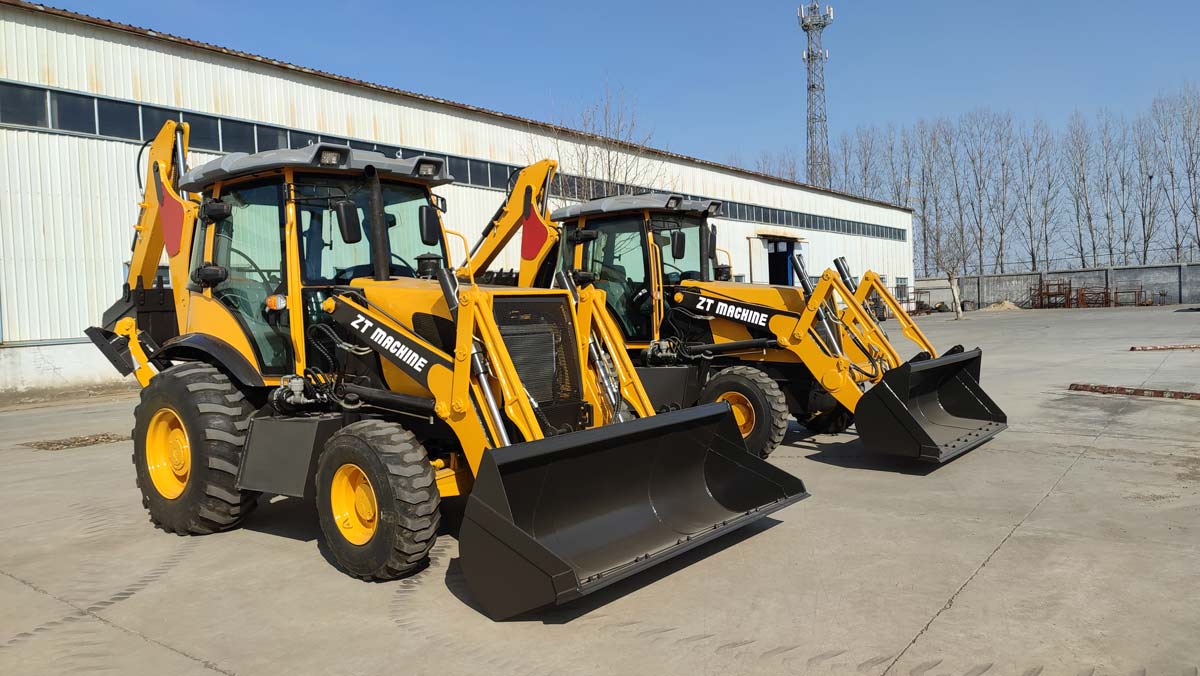
Why Rigid Frame?
one-piece frame takes abuse from rough terrain
better digging and breakout forces, no wobble under heavy loads
no complex articulation system to break down
Articulated machines turn tighter, so they work well in narrow alleys. But rigid frame dominates the global market—because most job sites need stable, durable, easy-to-fix machines.
2026 Price Reference – Rigid Frame Backhoe Loaders
| Tier | Price Range | Model Reference |
|---|---|---|
| Entry-level | $8,500–$15,000 | Small Chinese units, light-duty work |
| Mid-range | $23,400–$27,000 | ZTW30-25: 7.66t, 75kW, bucket 1.0m³, backhoe 0.3m³ |
| Mid-to-high spec | $27,000–$38,000+ | VT388: 8.2t, Yuchai 75kW, digging depth 4m+ |
Prices are for reference only. Final quotes depend on order size, configuration, and delivery terms.
Key Factors That Affect Price
1. Frame Construction
A good rigid frame uses high-tensile steel formed in one piece. Critical stress points are reinforced, and the vertical plates and cross beams create a box structure—strong without being too heavy. It sounds simple, but if the steel thickness or welding quality is off, the machine will feel loose within two years.
2. Engine
Common options: Cummins 75kW, Yuchai YC4A105Z-T20, Xinchai 60kW. Cummins costs more but delivers better fuel economy and reliability. Domestic engines offer solid value and parts are easy to find.
3. Key Specs
| Parameter | ZTW30-25 | VT388 |
|---|---|---|
| Operating weight | 7,660kg | 8,200kg |
| Bucket capacity | 1.0m³ | 1.0m³ |
| Backhoe capacity | 0.3m³ | 0.3m³ |
| Max digging depth | 4,340mm | 4,082mm |
| Max digging force | >50kN | 46.5kN |
4. Hydraulics & Drivetrain
Pilot hydraulic joystick, planetary gear transmission, 4WD—these add cost. Domestic vs. imported hydraulic components also make a difference.
What Can You Do With One?
Rural infrastructure – road building, trenching
Municipal maintenance – pipe laying, road repair
Farms – loading manure, moving hay bales, cleaning pens
Small construction sites – foundation digging, backfilling
Manufacturing Process – What to Look For
Before you buy, ask how the frame is made:
High-tensile steel cut and bent into shape
Multi-pass welding at stress points
Vertical plates + cross beams form a box structure
Precision machining on mounting surfaces
Sandblasting, primer, and topcoat
Bottom line: steel thickness and welding quality are what matter. Get those right, and the frame lasts.
FAQ
Rigid frame is better for heavy-duty work that needs digging power and stability—earthmoving, quarrying, large job sites. Articulated turns tighter, so it works in tight spaces—old city centers, indoor jobs. The major brands all build rigid frame machines, so parts and service are easier to find.
Entry-level $8,500–$15,000, mid-range $23,400–$27,000, high-spec $27,000–$38,000+. It depends on engine brand, weight, and hydraulic configuration.
Rough ride depends more on suspension and tires. Rigid frame itself is stiff. With 4WD and heavy-duty tires, it's actually more stable and durable than articulated machines on mines and quarry sites.
Four things: ① steel thickness and weld quality; ② engine brand and after-sales support; ③ hydraulic component brand; ④ third-party inspection options and on-time delivery track record.


