Front End Loader 101: Features, Uses & Buying Guide 2026
Front End Loader 101: The Machine That Does It All (Without Breaking Your Budget)
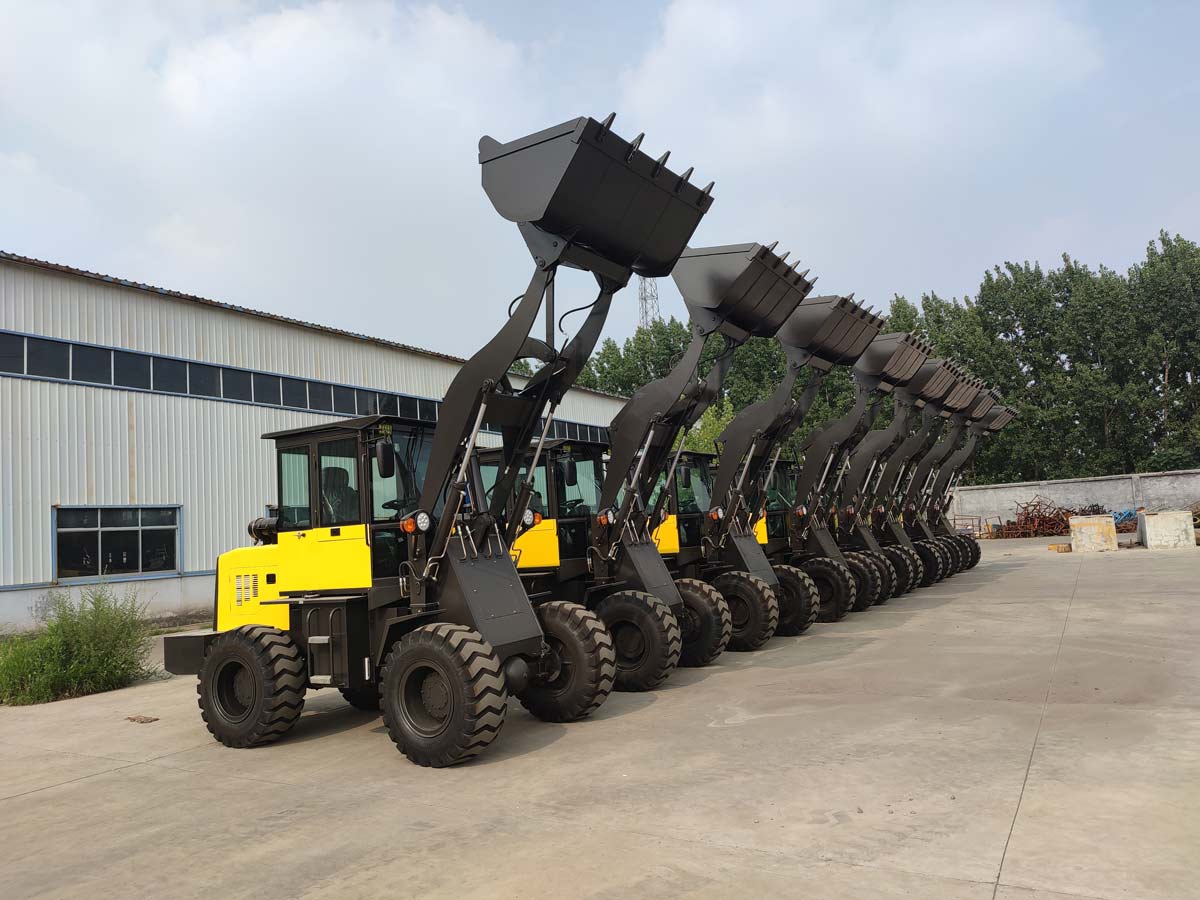
If you’re in construction, farming, or mining, you already know front end loaders are the true workhorses on every job site. They load, lift, push, haul, and clean up just about anything you throw at them. Think of them as the Swiss Army knife of heavy equipment — just bigger, tougher, and way more versatile.
If you’re shopping for a new loader, or simply want to learn what these yellow work machines are capable of, you’re in the right place. This is a straightforward, easy‑to‑follow 2026 guide covering everything you need to know about front end loaders, no confusing jargon included.
Why Front End Loaders Are So Popular Across Industries
The biggest strength of a front end loader is pure multitasking ability. Need to move gravel piles? No problem. Loading materials onto trucks? Quick and simple. Need to clear snow or tidy up your yard? Just swap on a new attachment and get to work. One machine handles countless jobs.
That’s why loader demand keeps booming — especially across South America, Africa, and Southeast Asia. Infrastructure projects are popping up nonstop, farms are upgrading to full mechanization, and mining operations are expanding steadily. All of this means one thing: reliable loaders are always in need.
For buyers in emerging markets, Chinese‑made loaders offer huge advantages. They deliver solid, dependable performance without the sky‑high price tags of European and American brands. You get durable, professional equipment at a budget‑friendly cost — genuinely great value for your money.
What to Prioritize When Buying a Front End Loader
Shopping for a loader is a lot like picking a work pickup truck. You don’t need overloaded fancy features. What you really want is a machine that starts reliably every day, works hard nonstop, and doesn’t cost a fortune to maintain and repair.
1. Engine: Simple & Serviceable Is Better
The engine is the heart of your loader. For most field job sites, simpler designs always win. Mechanical fuel systems are far easier for local mechanics to fix, and spare parts are easy to source locally. You won’t need special dealer software or professional tools for basic repairs — just standard tools and replacement parts.
Stick with widely recognized, regionally common engine brands like Xinchai, Quanchai, Yuchai, and Cummins. If your local repair shop has never heard of the engine model, you’ll run into constant headaches down the line.
2. Transmission: Torque Converter + Power Shift
Nearly all mid‑size and heavy‑duty loaders use a torque converter paired with a power‑shift transmission — and there’s a great reason for this combo. It’s tough, reliable, and perfectly built for rough job conditions.
The torque converter acts as a buffer between the engine and wheels. When you dig into heavy rock or compacted gravel, it absorbs impact shocks, preventing engine stalls and protecting your entire drivetrain from wear and tear.
Power‑shift gear control lets you shift gears with a simple button or lever. No clutch pedal, no grinding gears. You stay seated, keep full control, and finish every loading cycle faster. Smooth forward and reverse switching drastically boosts overall working efficiency.
This classic setup is operator‑friendly, long‑lasting, and handles heavy abuse far better than other transmission types. It’s the trusted choice for quarries, mines, and heavy construction work.
3. Lifting Height & Reach: Make Sure It Fits Your Trucks
This is super practical: if your loader can’t reach your truck bed, it can’t do its job well. Most standard loaders offer around 3 meters of dumping height — enough for most regular 8‑meter dump trucks.
If you work with taller hoppers or larger heavy‑duty trucks, go for models with 4 meters or higher dump height. Always match the loader’s specs to your actual equipment before purchasing.
Bucket reach matters too. A longer working reach lets you position materials precisely without constantly repositioning the whole machine, saving you plenty of time and fuel every day.
4. Turning Radius: Maneuver Freely in Tight Spaces
Real job sites are never perfectly spacious. You need a loader that can twist and turn flexibly in cramped yards, farm lots, and construction zones. Aim for a turning radius under 5 meters and a steering angle around 35 degrees — this balance delivers great agility for most daily working scenarios.
5. Ground Clearance: Avoid Getting Stuck on Rough Terrain
Uneven ground, rocks, and tree stumps are everywhere on field sites. Solid ground clearance keeps your machine from getting trapped or bottoming out. A minimum of 230mm clearance is a great baseline; opt for higher clearance if you regularly work on extremely rough terrain.
Real‑World Uses for Front End Loaders
Loaders are incredibly versatile — they get work done in almost every industry:
Construction: Moving sand, gravel, and cement; transporting steel pipes and materials; backfilling foundations; clearing construction waste and debris.
Mining & Quarrying: Feeding crusher equipment, stockpiling ore, loading haulage trucks, and sorting bulk materials.
Agriculture: Cleaning barns and feeding areas, moving hay, silage, and grain, and handling farm waste.
Municipal Work: Road repairs, snow removal, drainage digging, and park landscaping.
Swap out the standard bucket for different attachments, and your loader transforms into a multi‑functional tool. Pallet forks turn it into a forklift; grapples handle logs and branches; bale spears work for hay bales; snow plows handle winter clearing jobs. One single loader can easily replace several standalone machines.
How Quality Loaders Are Built (Simplified Breakdown)
A reliable loader always starts with high‑tensile steel frames and booms — sturdy enough to withstand years of heavy‑duty work. Precise, solid welding is non‑negotiable; weak welds will crack and fail under heavy loads.
Next comes the hydraulic system, which powers all core movements: lifting, steering, and attachment operation. Top‑tier hydraulic components ensure stable performance and a longer service life.
Finally, every machine goes through full assembly, professional painting, and strict factory testing. Trusted manufacturers conduct hydraulic pressure tests and full weld inspections before shipping, so every unit arrives field‑ready and dependable.