How to Load a 3T Wheel Loader into a 40HQ Container without Damage
How to Load a 3T Wheel Loader into a 40HQ Container without Damage
Shipping a 3T wheel loader in a 40HQ container is all about planning ahead. Even with the extra interior height of a 40HQ, a 3T loader is still too tall to drive straight in with the cab on. If you rush the loading or skimp on securing the machine, scratches, dents, or shifting during ocean transit can happen fast.
Below is the practical, step-by-step loading process we follow to get a 3T wheel loader into a 40HQ container safely and cleanly—from removing the cab to locking everything down with steel wire ropes.
Step 1: Remove the Cab for Height Clearance
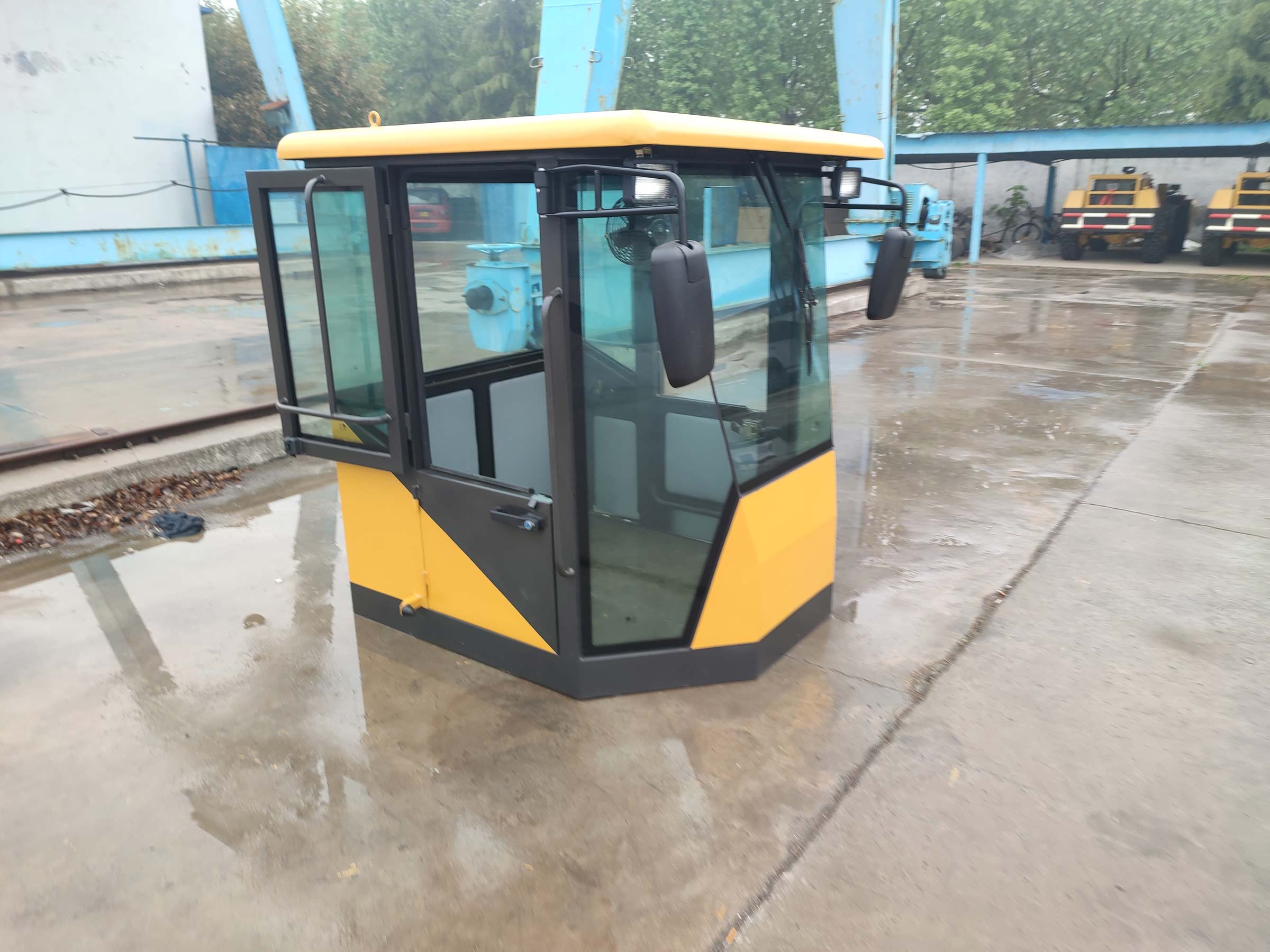
A standard 3T loader is over-height for a container doorway and roof when the cab is installed. Before driving into the 40HQ container, we carefully detach the cab:
Disconnect harnesses, control linkages, and mounting bolts cleanly so nothing gets pulled or bent.
Lower and set the cab aside on protective dunnage so the glass, doors, and body panels stay scratch-free.
Double-check the remaining top clearance of the loader body before moving toward the container.
Step 2: Drive the Loader Body into the 40HQ Container
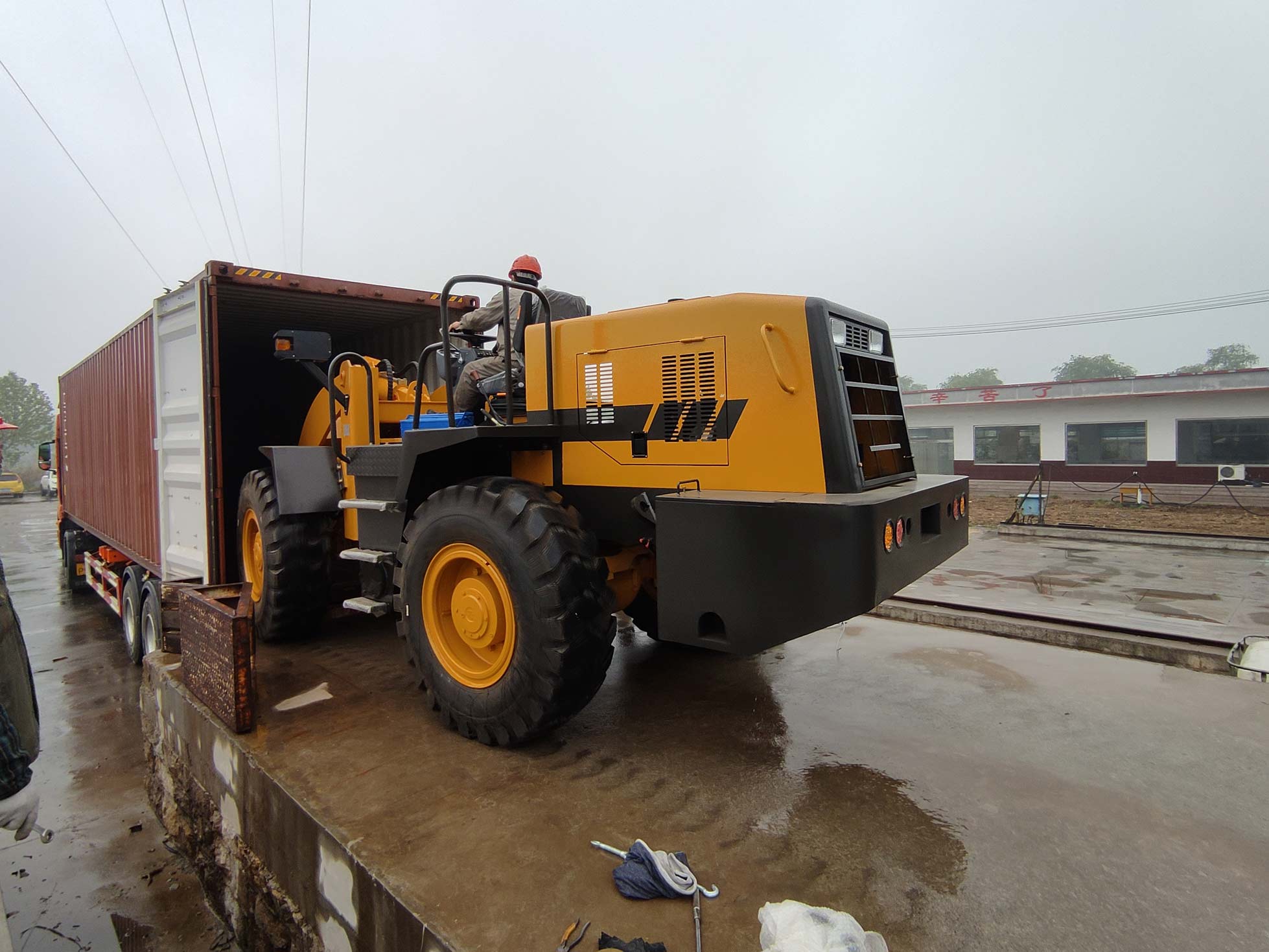
Once height clearance is secured, line up the loader straight with the container door:
Use a spotter on both sides to watch tire alignment and side clearance inside the 40HQ container.
Drive in slowly and steadily, stopping at the exact planned position so there is room to place and secure the cab.
Lower the bucket or boom safely onto timber blocks as instructed for transport, set the parking brake, and relieve hydraulic pressure.
Step 3: Position and Fasten the Removed Cab
The detached cab needs just as much care as the main unit:
Place soft padding and wood blocks between the cab and any contact surfaces to prevent rubbing or paint wear.
Keep loose parts and hardware packed securely so nothing bounces around during sea freight.
Step 4: Secure Both the Cab and Loader Body with Steel Wire Ropes
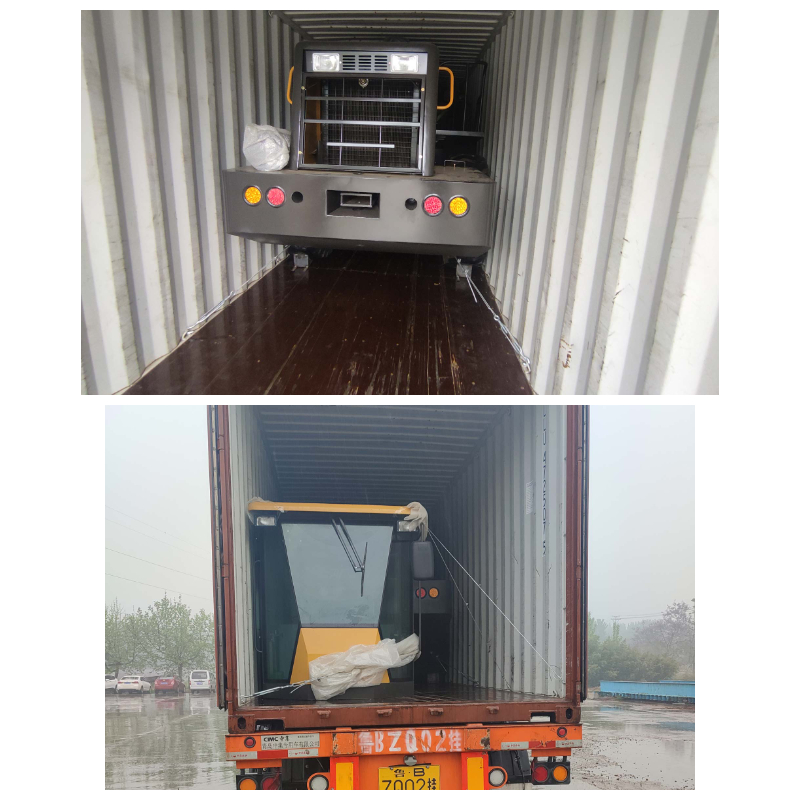
Ocean vessels pitch, roll, and vibrate for weeks. Both the cab and the loader body must be tightly fastened with steel wire ropes:
Anchor the loader body to the container anchor points using heavy-duty steel wire ropes and tensioners so it cannot roll forward, backward, or shift sideways.
Tie down the cab separately with steel wire ropes, using edge protectors where wire contacts corners or frames to avoid cutting into paint or metal.
Wheel chocks and wood blocking work together with the wire lashing to keep every load point firm.
Final Check Before Closing the Doors
Before sealing the 40HQ container, do a quick walk-through to check wire tension, make sure no hoses or lines are pinched, and take clear loading photos for your records. Good prep on loading day saves headaches when the container arrives at the destination port.


